Seoul Cafe Culture Explained: Concepts, Study Spaces and Etiquette
- Lifestyle
- Published
- 5 min
Quick take Cafes in Seoul work as living rooms, offices and meeting points. Here is how the different kinds differ, how ordering and seating usually work, and where a cafe fits into a long day.
What this answer covers
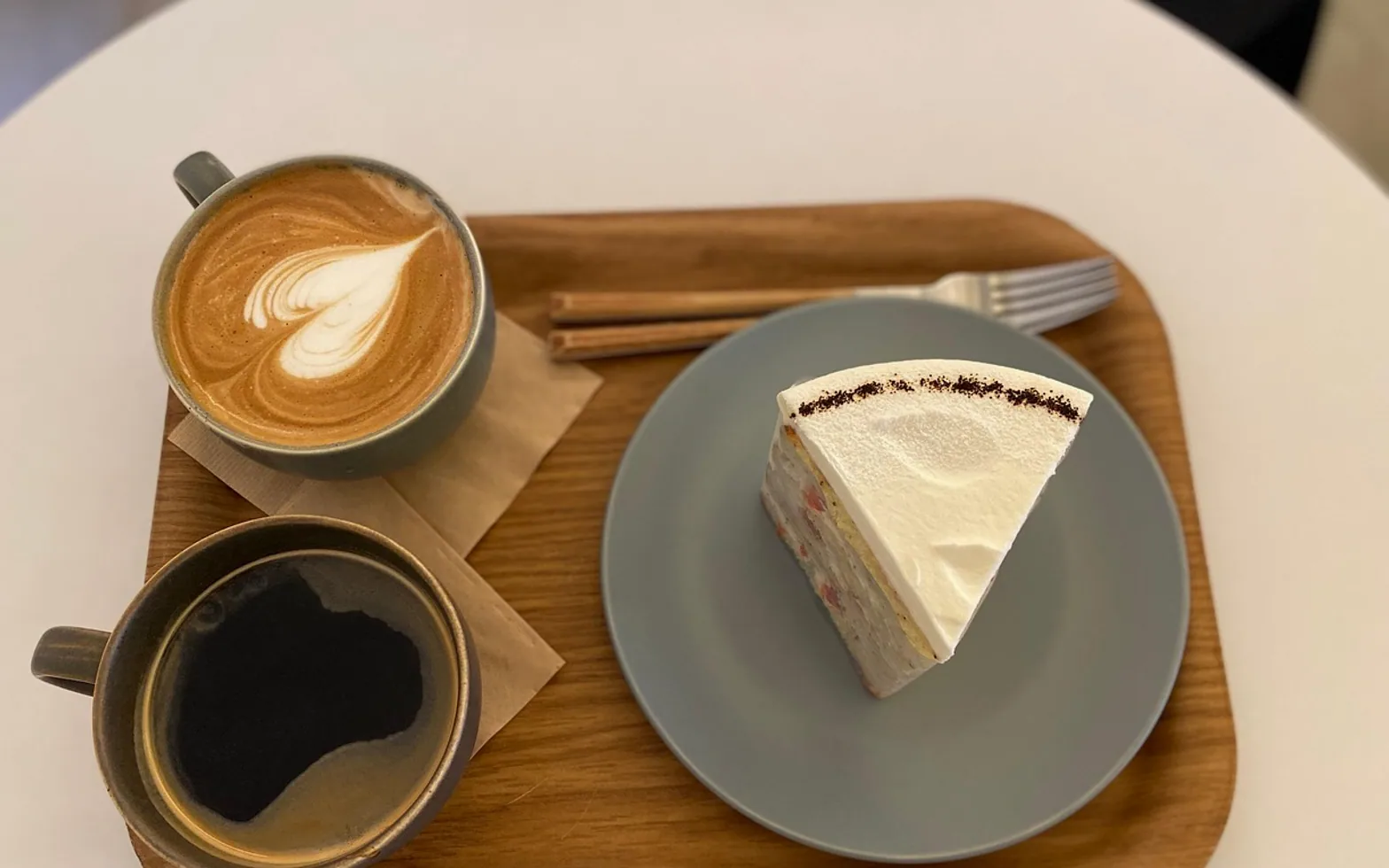
5 min · Oct 27, 2026Seoul has so many cafes because they do jobs that homes and offices often cannot. Apartments tend to be compact, shared flats leave little room for guests, and a cafe offers a table, light, wifi and a reason to meet that costs no more than a drink. For visitors, that same culture means there is nearly always somewhere calm to sit down, and knowing a few unwritten rules makes the experience easier for everyone.
Why the city runs on cafes
Walk a few blocks in almost any neighbourhood and you will pass several coffee shops, sometimes on every floor of the same building. Part of the reason is practical. Students need quiet space to work, freelancers need somewhere other than a small bedroom, and friends who live far apart need a neutral middle point. Another part is social: coffee is a low-pressure way to catch up.
The result is a market where cafes compete on atmosphere as much as on coffee. Interiors change often, seasonal drinks and desserts appear regularly, and many places build their whole identity around a look or an idea. That variety is what makes browsing them enjoyable rather than repetitive.
The main kinds of cafe you will meet
| Type | What to expect | Good for |
|---|---|---|
| Concept or themed cafe | A strong design idea, from minimalist white rooms to board games, characters or crafts | Photos, a fun hour with friends |
| Study cafe | Quiet desks, often booked by the hour at a kiosk, with rules about noise | Reading, writing, focused work |
| Rooftop cafe | Open terraces above street level with city views | Late afternoons in mild weather |
| Hanok cafe | Set inside a traditional Korean house, with courtyards, wooden beams and low tables | A slower pace and a sense of the older city |
Concept cafes
Concept cafes are built to be noticed. Some lean on colour, others on unusual furniture, mirrors, plants or a particular era. A few are organised around an activity, such as painting, puzzles or board games, and may charge per person or per hour rather than per drink. Check the rules at the counter before you settle in.
Study cafes
These are closer to a shared library than a coffee shop. You usually pick a seat on a screen, pay for a block of time and keep conversation outside. Talking on the phone inside is generally frowned upon, so step out if you need to make a call. For anyone who works remotely, they can be a useful change of scene; the trade-offs of working away from a desk are similar to those described in our look at the benefits and trade-offs of working from home.
Rooftop and hanok cafes
Rooftop terraces are at their most pleasant in spring and autumn, when the air is mild. Hanok cafes are found mostly in the older quarters north of the river, and they ask for a little care: you may be asked to remove your shoes, floors are sometimes heated, and seating can be on cushions rather than chairs.
Ordering and seating etiquette
Most of the etiquette follows from one idea: a cafe is a shared space that the owner has to keep running. A few habits help.
- One drink per person. Ordering a single drink for a group is widely seen as unfair, especially in small independent places. Each person ordering something is the common expectation.
- Order at the counter or kiosk. Table service is uncommon. You often receive a buzzer that lights up when your order is ready.
- Clear your own tray. Many cafes have a return shelf near the counter for cups and plates.
- Staying a long time is normal. Lingering for hours with a laptop or book is generally accepted, though ordering again after a long stay is a considerate touch, particularly when the room is filling up.
- Keep the volume down. Lively chatter is fine in most places, but phone calls on speaker or videos without headphones stand out.
- Ask before photographing. In small cafes, other guests and staff may not want to appear in your pictures.
Seat-saving is another visible habit. People often leave a bag or laptop on a table while they order. It is a sign of how relaxed many cafes feel, but keep valuables with you anyway as a sensible precaution.
Cafes as the pause in a long day
Sightseeing in a large city is tiring in a quiet way: lots of standing, walking, queuing and decision-making. A cafe stop between a morning of palaces or markets and an evening plan gives your feet a rest and lets you sort out the rest of the day without rushing. It is also a chance to drink water and eat something light rather than relying on coffee alone, which matters if you tend to feel sluggish after several cups; our piece on why caffeine can make you tired explains why that slump happens.
Many visitors cross the river in the late afternoon and use a cafe in Gangnam as the bridge between the day and the evening. From there it is a short walk to dinner, and some groups finish with a private karaoke room, a common way to end a night out with friends or colleagues in Korea. Those wondering how room bookings and group sizes usually work can browse Korean-language guides such as 강남가라오케 before heading out. A decaf or tea at this point keeps the evening relaxed and makes falling asleep later a little easier.
Common questions
Is it rude to stay in a cafe for hours?
Generally no. Long stays are part of the culture, and many people work or study in cafes for most of the day. Ordering again now and then and freeing up a large table for a group when you are on your own are polite gestures.
Can I order at a Seoul cafe without any Korean?
Not usually. Menus often include English or pictures, and kiosks frequently offer a language option. Learning "hello" and "thank you" in Korean is always appreciated.
Are cafes open late?
Hours vary a great deal by neighbourhood and by business. Some close in the early evening while others stay open into the night, so check the door or the listing before you plan around one.
Seoul's cafes reward a little curiosity. Pick one by mood rather than by reputation, follow the simple courtesy of one drink each and a cleared tray, and treat the stop as a real rest rather than a quick refuel. The city looks rather different from a window seat with nowhere urgent to be.