The Best Ear Protection At Gun Ranges
- Lifestyle
- Published
- 2 min
Quick take Gunfire is one of the loudest sounds most people will ever be close to, and a range multiplies it: every lane, every shot, often under a roof that bounces the noise back.…
What this answer covers
2 min · Mar 24, 2017Gunfire is one of the loudest sounds most people will ever be close to, and a range multiplies it: every lane, every shot, often under a roof that bounces the noise back. Hearing damage from that kind of exposure builds up quietly and does not reverse, which is why protection is treated as standard kit by regular shooters rather than an optional extra. The good news is that effective options are cheap, comfortable and easy to find.
The main choices at a glance
| Type | Strengths | Points to watch |
|---|---|---|
| Foam earplugs | Inexpensive, light, easy to carry | Only work well when rolled and inserted properly |
| Reusable or moulded plugs | Consistent fit, washable, last a long time | Higher upfront cost for custom versions |
| Passive earmuffs | Quick to put on, no batteries, easy to check fit | Can press on glasses arms and feel warm |
| Electronic earmuffs | Let conversation through while cutting loud bangs | Need batteries and cost more |
Earplugs: small but effective
Plugs sit inside the ear canal and block sound before it reaches the eardrum. Foam versions expand to fill the canal, which is what makes them work, so technique matters: roll the plug into a thin cylinder, reach over the head to pull the top of the ear up and back, slide it in and hold it while it expands. A plug that sits half out does very little.
Reusable silicone or flanged plugs suit people who shoot often, and moulded plugs made from an impression of the ear give a snug, repeatable fit. Plugs are also handy under a hat or hood in cold weather, and they pair well with muffs on busy indoor ranges.
Earmuffs: easy to wear and easy to share
Muffs cover the whole ear and seal against the head. They are simple to put on correctly, which makes them a good choice for beginners and for visitors borrowing kit. Look for soft cushions, an adjustable headband and a profile low enough not to bump the stock of a rifle.
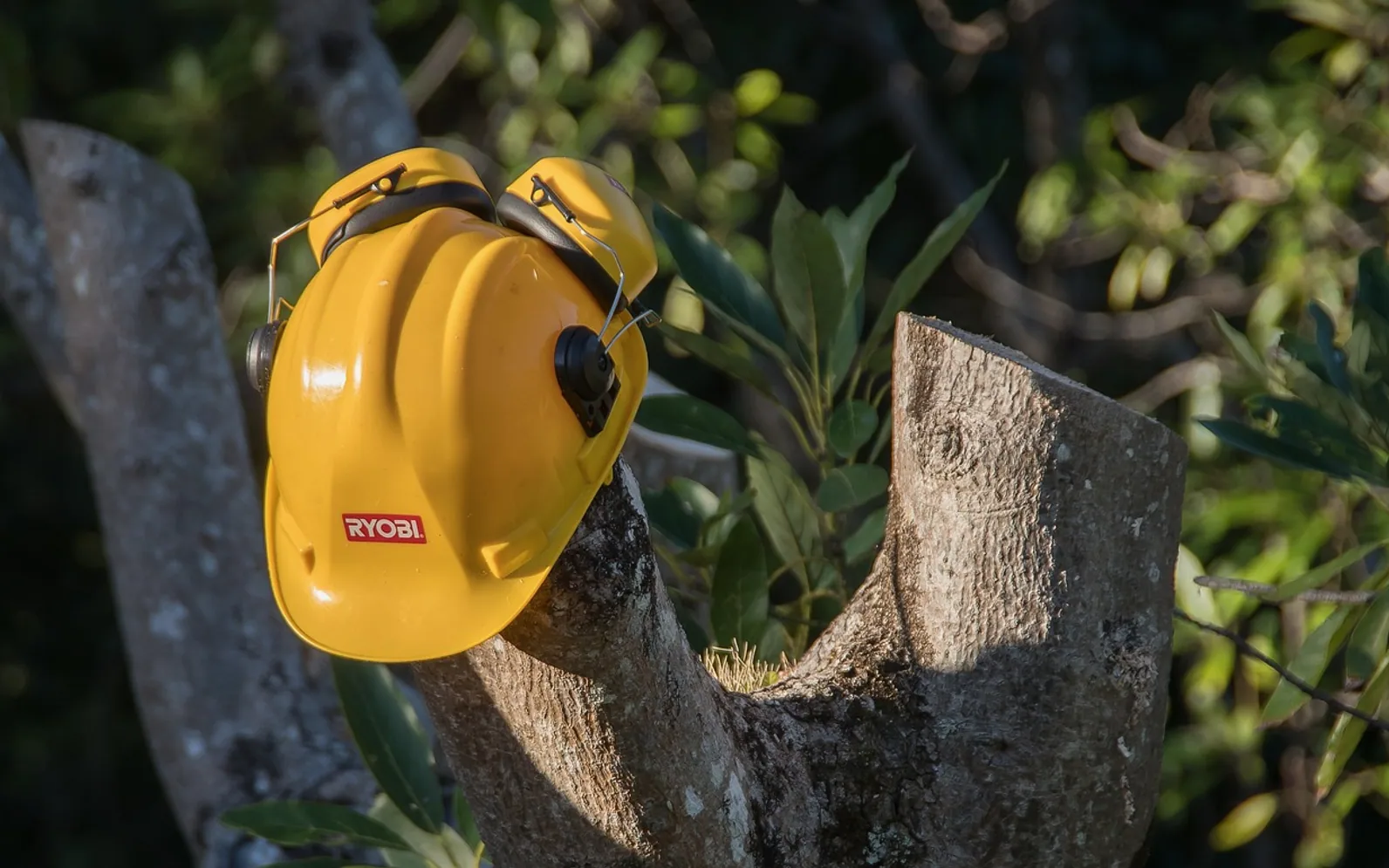
Electronic muffs add microphones and a small speaker. Quiet sounds, such as a range officer's instructions or a conversation in the next bay, are passed through, while sharp loud sounds are cut. Many shooters find this makes a day at the range far more sociable, and hunters value being able to hear their surroundings.
Choosing and fitting well
Every hearing protector carries a noise reduction rating, and higher figures suit louder settings, but the real-world result depends on fit. A well-sealed plug with a modest rating can outperform a poorly worn muff. Detailed comparisons of the best shooting ear protection are useful for weighing up comfort, ratings and features side by side before buying.
A few habits make any choice work better:
- Put protection in before entering the firing area, not after the first shot.
- Consider plugs and muffs together for indoor ranges, larger calibres or long sessions.
- Check that glasses arms, hair or a cap are not breaking the seal of a muff.
- Replace foam plugs regularly and wash reusable ones.
- Bring spares for anyone who forgets theirs.
Ringing in the ears or muffled hearing after a session is a sign the protection was not enough. If it does not settle, or keeps happening, it is worth booking a hearing check with a GP or audiologist.