
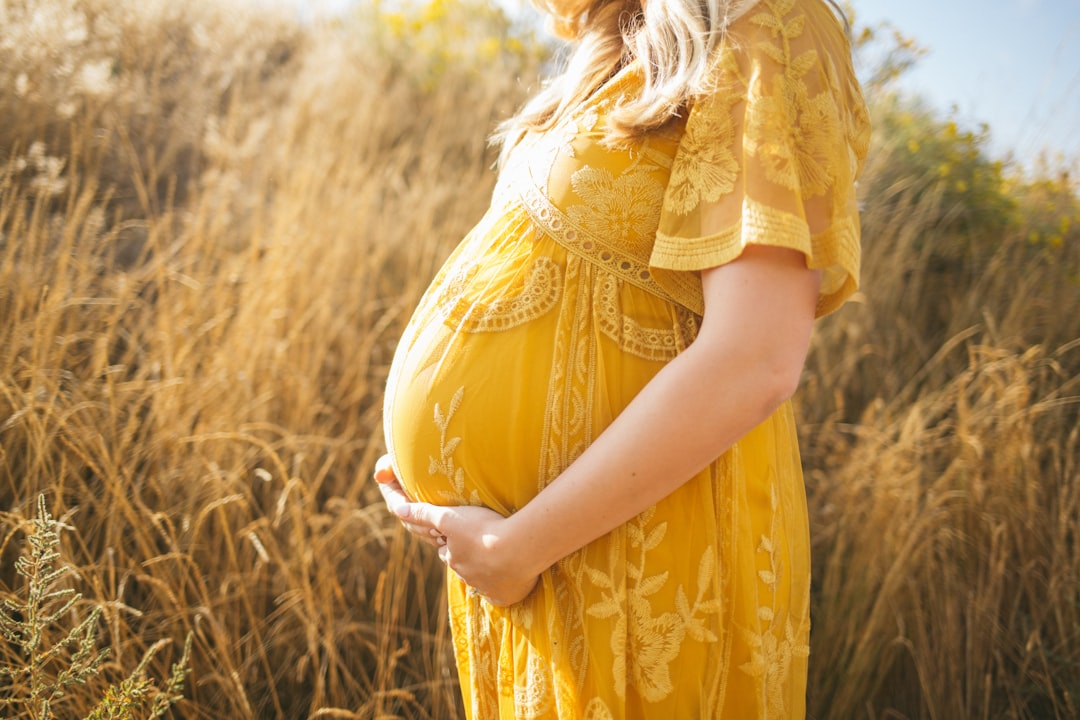
Pregnancy moves in two directions at once: slowly in the moment, and astonishingly fast in retrospect. One week is filled with questions, the next with appointments, tiny movements, and plans that suddenly feel real. By the time the baby arrives, many parents realize how much happened between the first positive test and the first glance at their newborn. That is why documenting pregnancy with purpose matters. It is more than collecting photos or noting medical milestones; it is a way to preserve emotions, changes, relationships, and the quiet details that can otherwise fade. When families choose to record this season intentionally, they create a meaningful story that connects pregnancy memories to the beginning of parenthood.
Why purposeful pregnancy documentation matters
There is a difference between saving random updates and documenting pregnancy with intention. Purposeful documentation focuses on what will matter later: how the journey felt, what changed over time, and which moments shaped the experience. A growing bump photo is valuable, but so is a note about the first time a parent felt a kick during a meeting, or the relief that came after hearing a strong heartbeat at a routine appointment.
These details become important because pregnancy is both physical and emotional. Bodies change, expectations evolve, and families begin to imagine a child before they ever meet them. Recording that process creates context for the birth story and, eventually, for the child who may one day want to understand how they were awaited. A well-kept record can also support reflection, helping parents see how much strength, patience, and growth existed in each trimester.
Purpose also helps prevent overwhelm. Many parents start with good intentions, only to stop because they believe they need perfect photos, long journal entries, or elaborate scrapbooks. In reality, meaningful documentation is usually simple and consistent. A short weekly entry, a monthly image, or a list of sensations and hopes can be enough to tell the story well.
What to capture from first kick to first glance
The most memorable pregnancy records blend milestone moments with ordinary ones. Major events deserve attention: the positive test, the first ultrasound, hearing the heartbeat, learning the baby’s sex if parents choose to, the first kick, the baby shower, and the final days before labor. But smaller moments often carry equal emotional weight. These include cravings, changing sleep habits, nursery progress, conversations with siblings, and the names considered late at night.
A practical approach is to document across a few categories so the story feels complete:
- Physical milestones: weekly or monthly bump photos, notes on movement, energy levels, and changes in the body.
- Medical milestones: appointments, scan results, due date updates, and questions discussed with care providers.
- Emotional milestones: fears, excitement, confidence, uncertainty, and moments when the pregnancy felt especially real.
- Family milestones: partner reactions, grandparent anticipation, sibling involvement, and home preparations.
- Personal reflections: hopes for the baby, lessons learned, and messages written directly to the child.
One of the most effective ways to preserve these moments is through a structured system that is easy to return to. For many parents, that means using the best pregnancy journal to organize weekly thoughts, milestones, and keepsakes in one place. A guided format reduces decision fatigue and makes it easier to stay consistent throughout all three trimesters.
Photos also deserve thoughtful planning. Rather than taking dozens of disconnected images, it helps to decide on a few repeatable shots: a mirror photo each month, a partner photo every trimester, and one image that includes a meaningful object such as an ultrasound picture, baby shoes, or a nursery detail. Repetition creates a visual timeline, and timelines tell powerful stories.
Choosing the right tools without losing the meaning
Modern parents have more options than ever for recording pregnancy. Journals, notes apps, cloud albums, voice memos, printed photo books, and private social media collections can all work. The best tool is not the most sophisticated one; it is the one that fits naturally into everyday life. If writing long entries feels unrealistic, short prompts may work better. If typing feels impersonal, voice notes can capture emotion in a way text sometimes cannot.
It also helps to match the method to the goal. If the aim is personal reflection, a journal may be ideal. If the aim is sharing milestones with loved ones, a curated photo album may make more sense. Many families benefit from combining two methods: one for private thoughts and one for visual memories.
To keep the process manageable, a simple routine works best:
- Set aside one time each week to record updates.
- Choose three questions to answer consistently, such as: What changed this week? What did we feel? What do we want to remember?
- Save key photos and documents immediately after appointments.
- Review everything once per month to fill in gaps before details are forgotten.
This approach keeps documentation purposeful instead of performative. The goal is not to create content for others. The goal is to preserve a chapter of life with honesty and care.
Turning pregnancy memories into a lasting family story
When documentation is done well, it becomes more than a pregnancy archive. It turns into a family narrative. A collection of notes, images, and reflections can later shape a baby book, birth story, or keepsake box. It can also become a source of comfort in the postpartum months, when many details of pregnancy begin to blur under the demands of newborn life.
Purposeful records are especially meaningful because they preserve perspective. Parents often remember the major landmarks, but forget the in-between experiences that gave the journey its texture: the song played during a drive home from an appointment, the foods eaten every afternoon, the evening the baby responded to a familiar voice. These fragments may seem small, yet they are often the moments that feel most alive when revisited.
There is also value in documenting pregnancy truthfully, not just beautifully. Honest records make room for complexity. They can include discomfort, uncertainty, and difficult days alongside joy and anticipation. This balanced approach creates a more authentic keepsake and allows parents to honor their full experience rather than a polished version of it.
From the first kick to the first glance, pregnancy offers countless opportunities to pause and notice what is unfolding. Documenting it with purpose allows families to preserve not only what happened, but what it meant. Whether through words, photos, or simple weekly notes, intentional records create a bridge between expectation and arrival. Years later, that bridge becomes a gift: a clear, personal reminder of how a new life was welcomed long before it was held.